Back to blog
The Best Treatments for Acne-Prone Skin
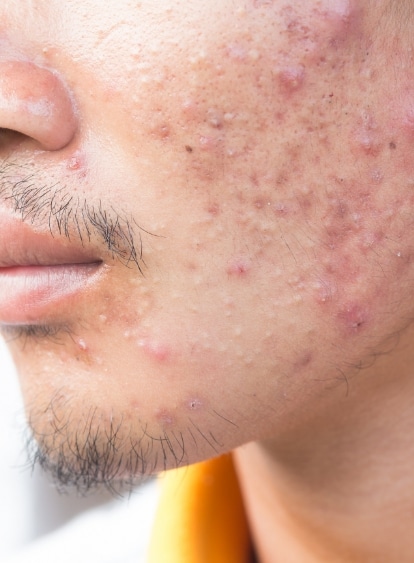
Acne-prone skin can be frustrating to manage. Breakouts often come and go, sometimes leaving behind redness, marks or uneven texture long after the spots have healed. While many over the counter products promise quick results, professional treatment begins by understanding why acne is happening in the first place.
At Ambra Aesthetic Clinic in Finchley, successful treatment is rarely about relying on a single procedure. It usually involves improving skin health, reducing inflammation, managing oil production, and supporting the skin’s natural healing process over time.
Why is it important to understand what is causing your acne?
Acne is not the same for everyone. Some people experience occasional hormonal breakouts, while others have persistent congestion caused by excess oil, blocked pores, or bacteria. Lifestyle, stress, genetics, and skincare habits can also influence how the skin behaves.
Before recommending any treatment, it is important to assess the condition of the skin, the type of blemishes present, and whether there is any scarring or pigmentation developing. Treating active acne requires a different approach from treating the marks it leaves behind.
A personalised assessment with our skincare experts at Ambra Aesthetic Clinic can help to avoid unnecessary treatments and allows a skincare plan to focus on what the skin genuinely needs.
Which professional treatments can help active acne?
For many people with active breakouts, gentle treatments that deeply cleanse the skin without causing irritation are often a sensible starting point.
HydraFacial is commonly recommended for acne-prone skin because it combines cleansing, exfoliation, and pore extraction while hydrating the skin throughout the treatment. Removing excess oil, dead skin cells, and congestion can help reduce blocked pores without the harshness that aggressive exfoliation sometimes causes.
For some patients, chemical peels may also be appropriate. Carefully selected peels encourage the outer layers of skin to renew more efficiently, helping to reduce congestion, and improve overall skin texture. The type and strength of peel should always be matched to the individual’s skin condition and sensitivity.
How can laser treatments support clearer skin?
Laser technology has become an increasingly useful option for certain types of acne and post-acne concerns.
Aerolase Neo is one treatment often used for acne-prone skin because it delivers energy beneath the surface while remaining gentle enough for many skin types. The treatment can help reduce inflammation, target acne-causing bacteria, and encourage healthier skin without significant downtime.
Because Aerolase Neo also stimulates collagen production, many patients notice gradual improvements in the appearance of acne marks and skin texture alongside improvements in active breakouts.
For individuals who have developed acne scarring, treatments such as Morpheus8 may be considered once active acne is under control. By combining microneedling with radiofrequency energy, Morpheus8 encourages collagen remodelling, helping soften the appearance of shallow acne scars and improve overall skin quality.
Can skincare at home make professional treatments more effective?
Professional treatments work best when they are supported by a consistent skincare routine.
Over-cleansing or using multiple strong active ingredients can sometimes weaken the skin barrier, making acne appear more inflamed. Instead, a simple routine built around gentle cleansing, suitable moisturisers, and carefully selected active ingredients often produces more consistent results.
Daily sun protection is also important. Ultraviolet exposure can make post-inflammatory pigmentation last longer and may slow the skin’s recovery following professional treatments.
Small improvements carried out consistently often produce better long-term results than frequently changing products in search of a quick solution.
How long does it take to see improvements?
One of the biggest misconceptions about acne treatment is that results should appear within days. In reality, the skin usually needs time to respond.
At Ambra Aesthetic Clinic in North London, our professional treatment plans are carried out over several appointments, allowing the skin to recover and gradually improve between sessions. During this time, the treatment plan may be adjusted depending on how the skin responds.
Patience is often an important part of the process. With an appropriate combination of professional treatments and consistent home care, many people experience healthier, calmer skin and fewer future breakouts over time.
FAQs
Which professional treatment is best for acne-prone skin?
The most suitable treatment depends on the type and severity of your acne. HydraFacial, chemical peels, and Aerolase Neo are commonly used to help manage active breakouts, while Morpheus8 may be recommended for acne scarring.
Can HydraFacial help with acne?
Yes. HydraFacial deeply cleanses the skin, removes congestion, and hydrates the skin at the same time, making it a popular treatment for many people with acne-prone skin.
Is Aerolase Neo suitable for active acne?
Aerolase Neo can help reduce inflammation and target acne-causing bacteria while supporting healthier skin. Suitability should always be assessed during a professional consultation.
When can acne scars be treated?
Acne scar treatments are usually considered once active breakouts have been brought under control. Treatments such as Morpheus8 may help improve skin texture and soften the appearance of certain types of acne scars.
How can I improve the results of professional acne treatments?
Following a consistent skincare routine, avoiding harsh products, wearing daily sunscreen, and attending recommended follow-up appointments can all help support better long-term results.